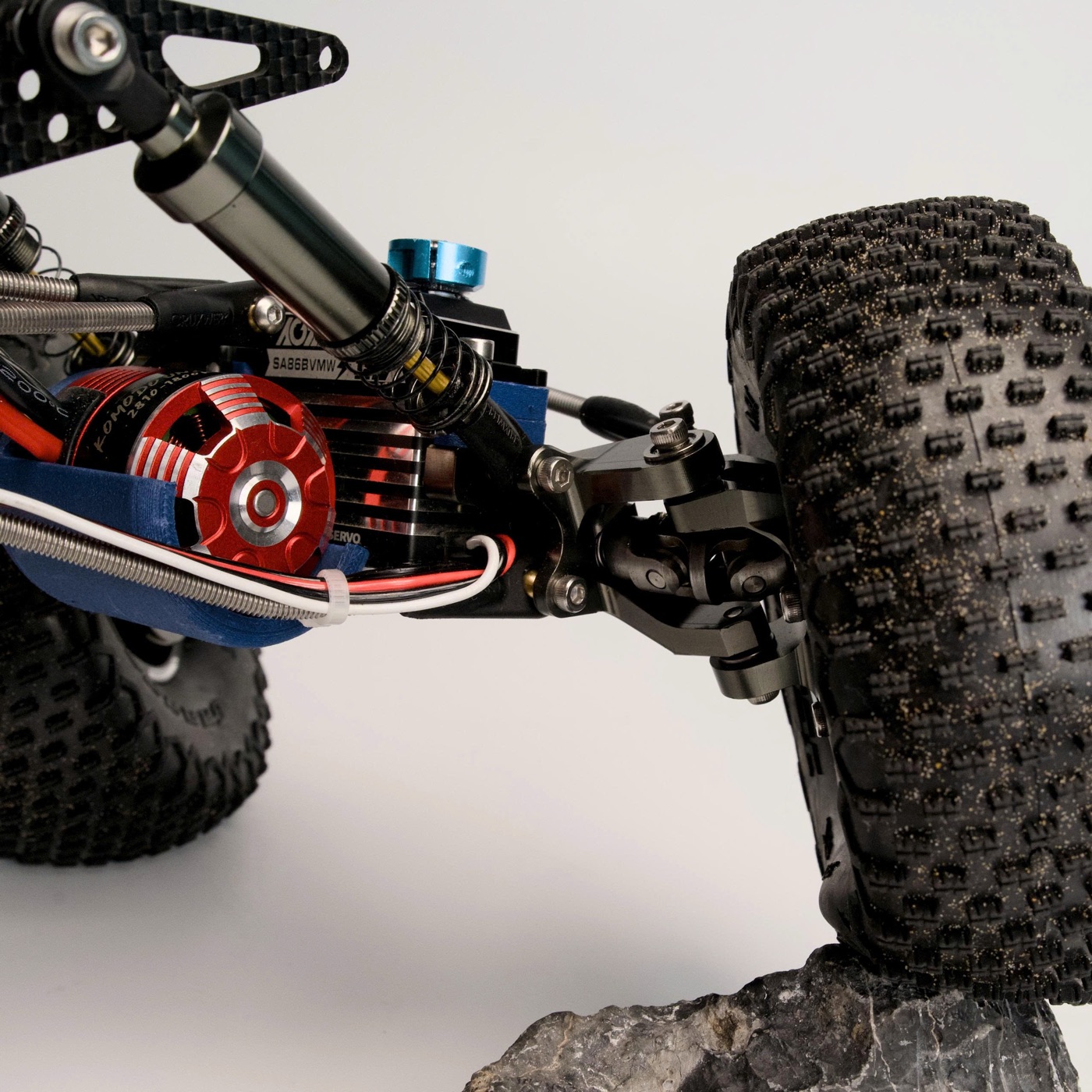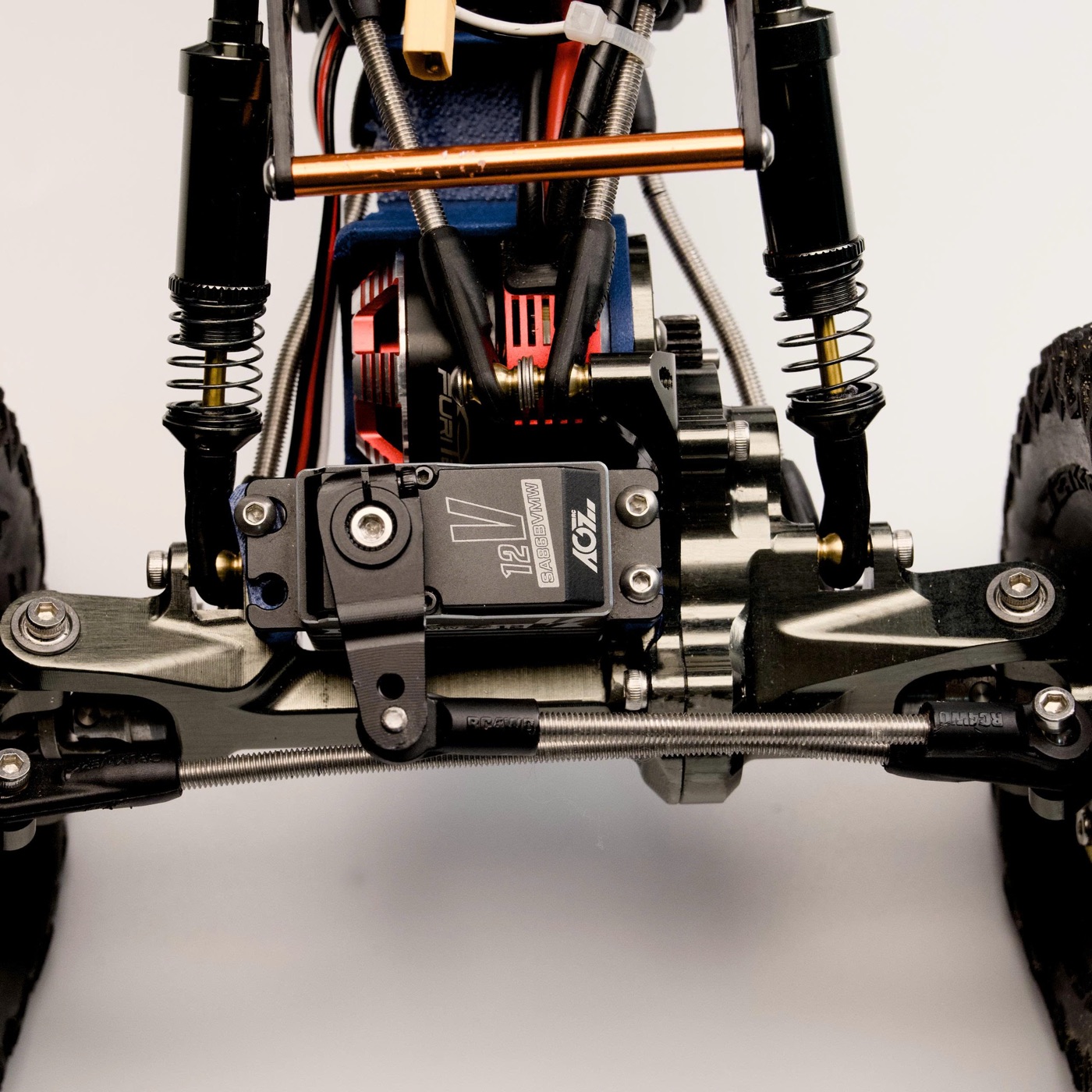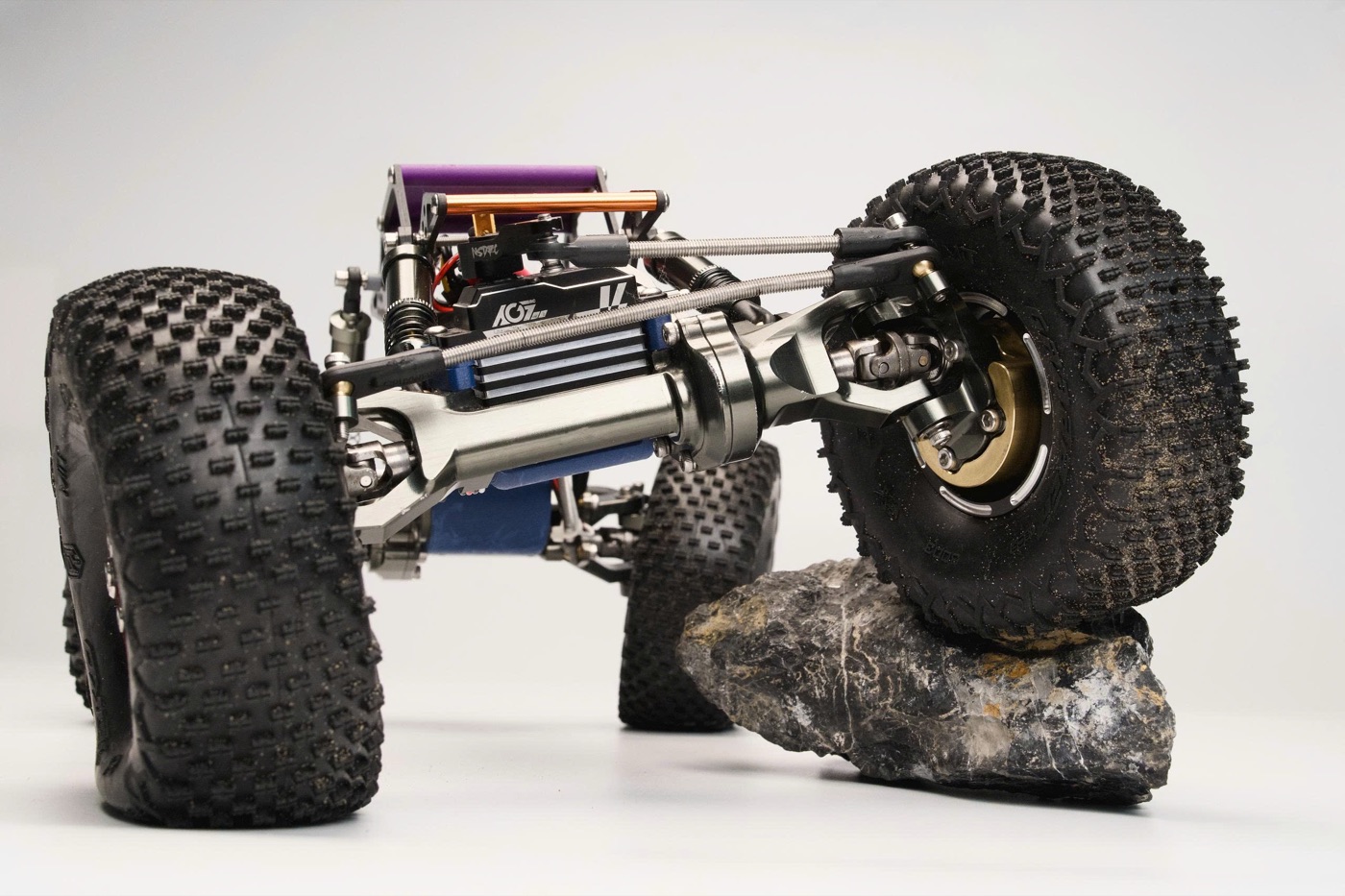
( Competition crawler / MOA )

Monty

Pre-order open — ships Nov 10 2026

Special introductory price — ends Nov 10

US$999.99 US$899.99 + shipping

Paid in full today with PayPal or card. Estimated to ship Nov 10 2026 — we email you before dispatch. Cancel any time before it ships for a full refund.

Sold as a slider — radio, motors & ESCs, servos, wheels & tires not included. Recommended electronics

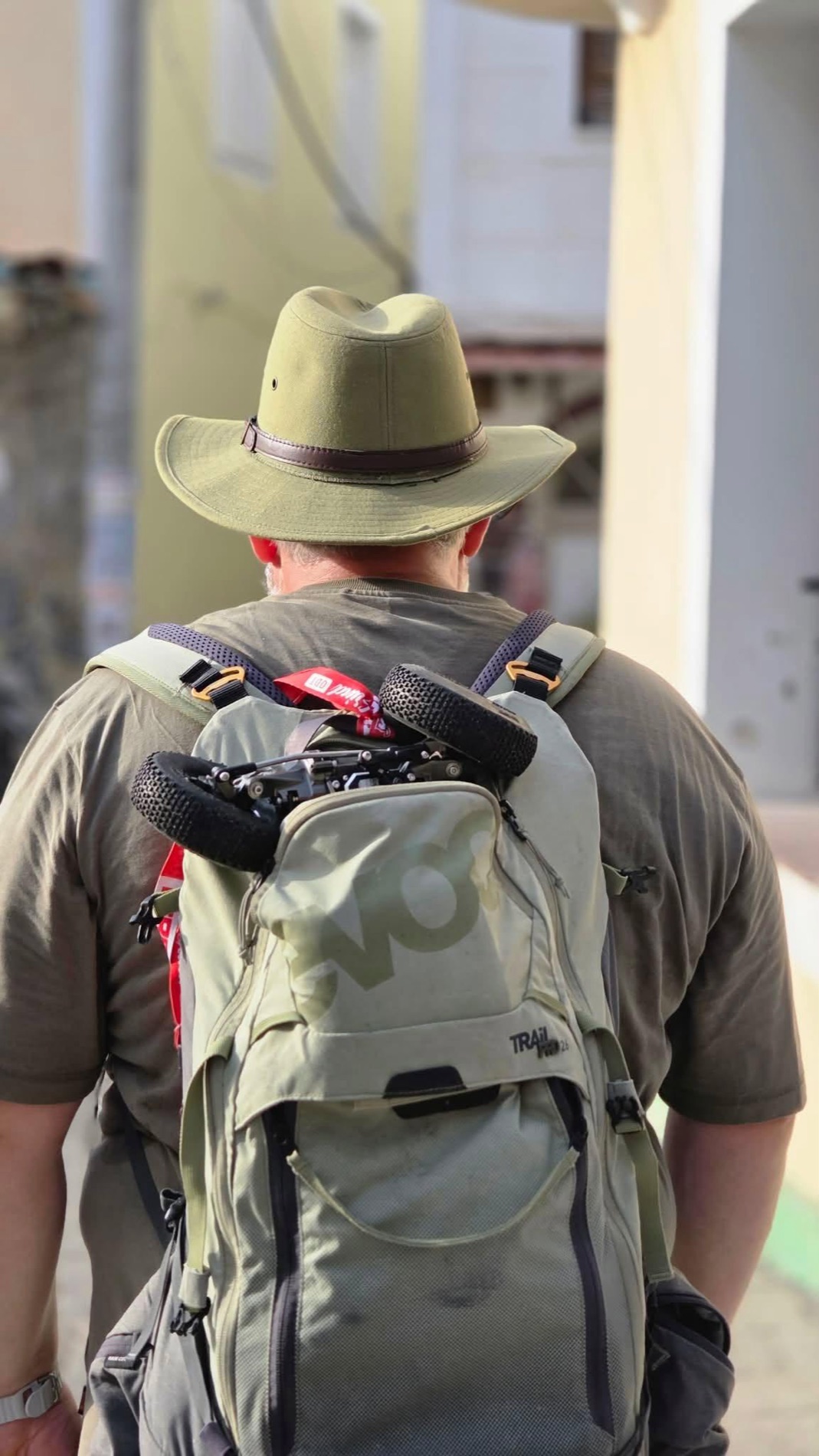
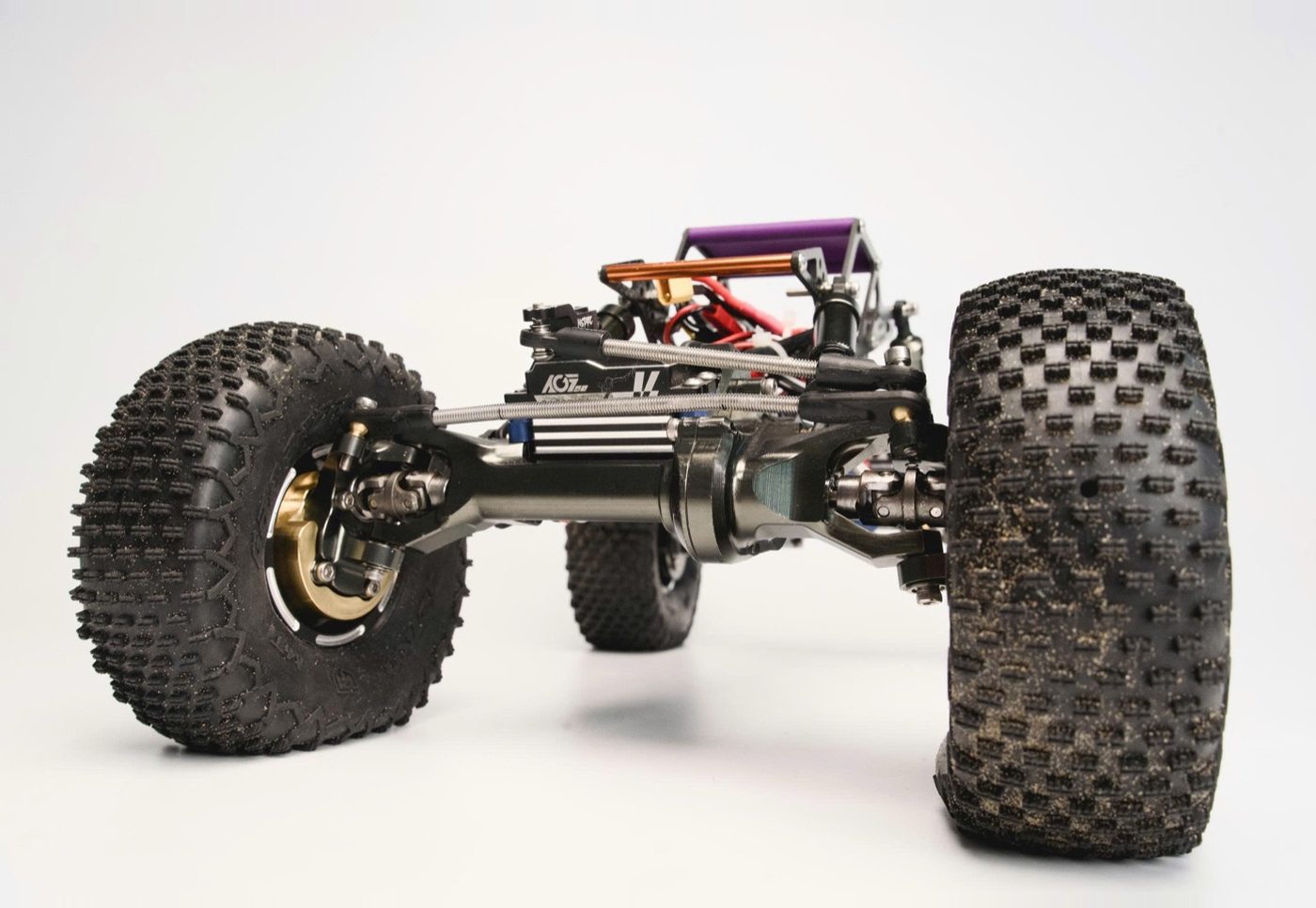
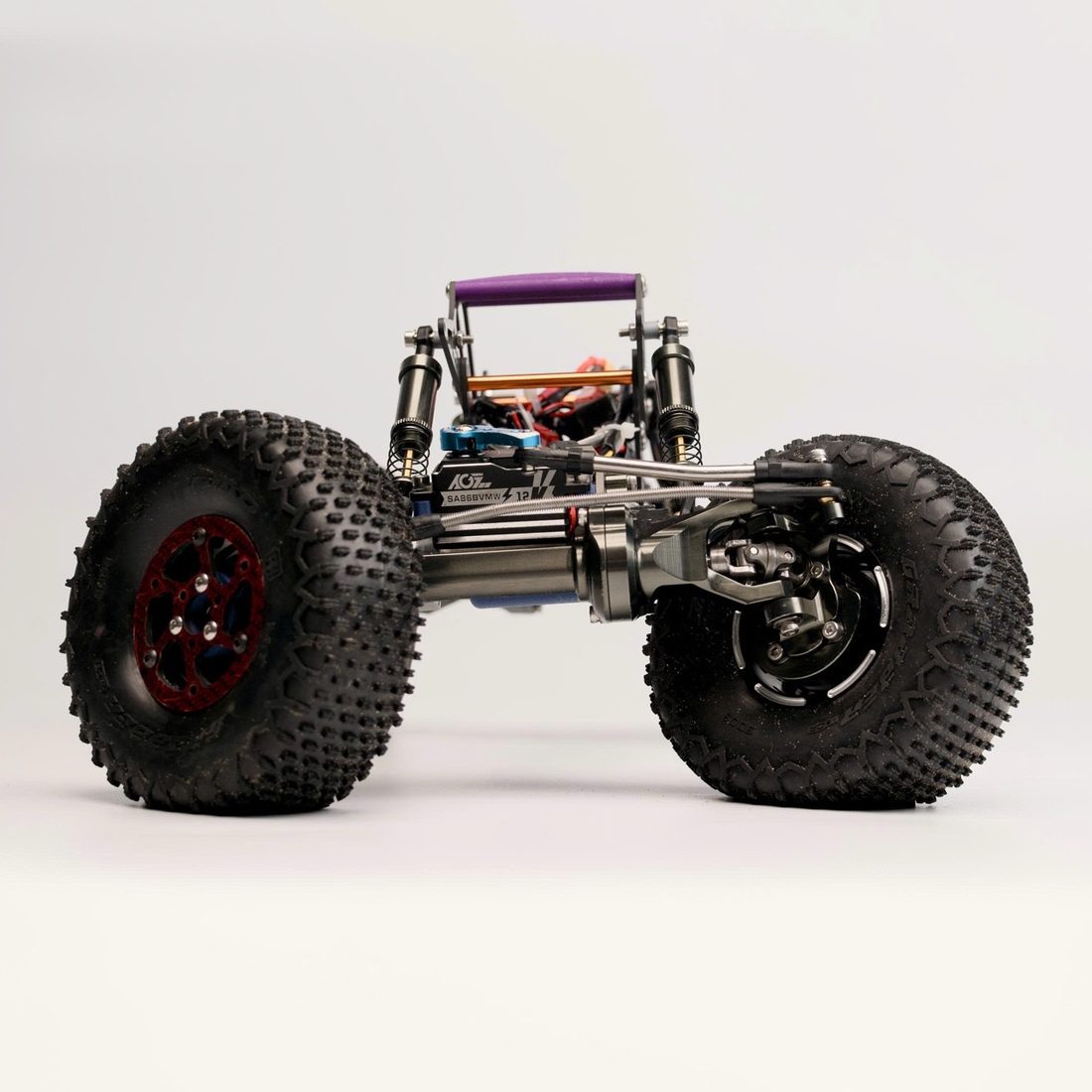
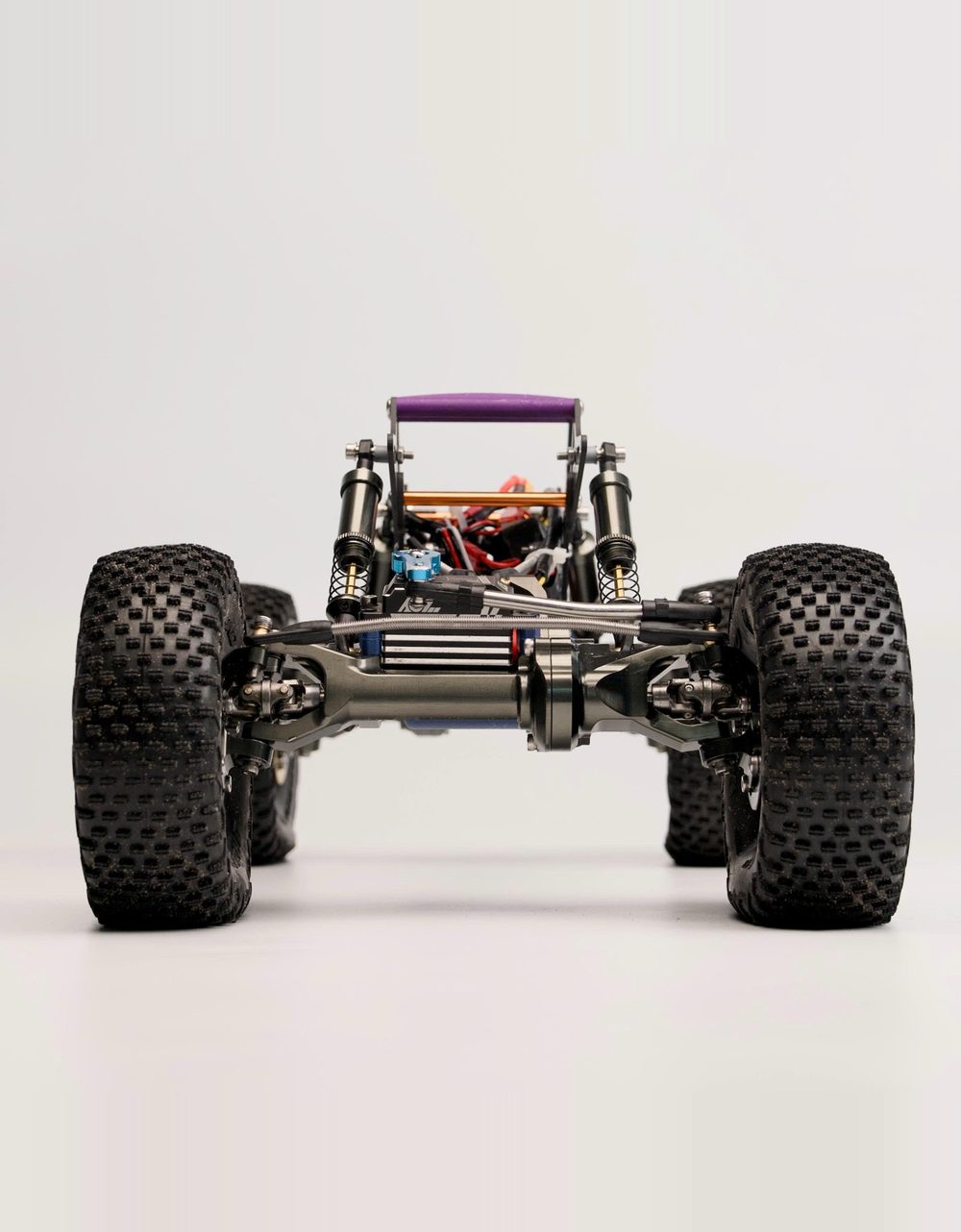
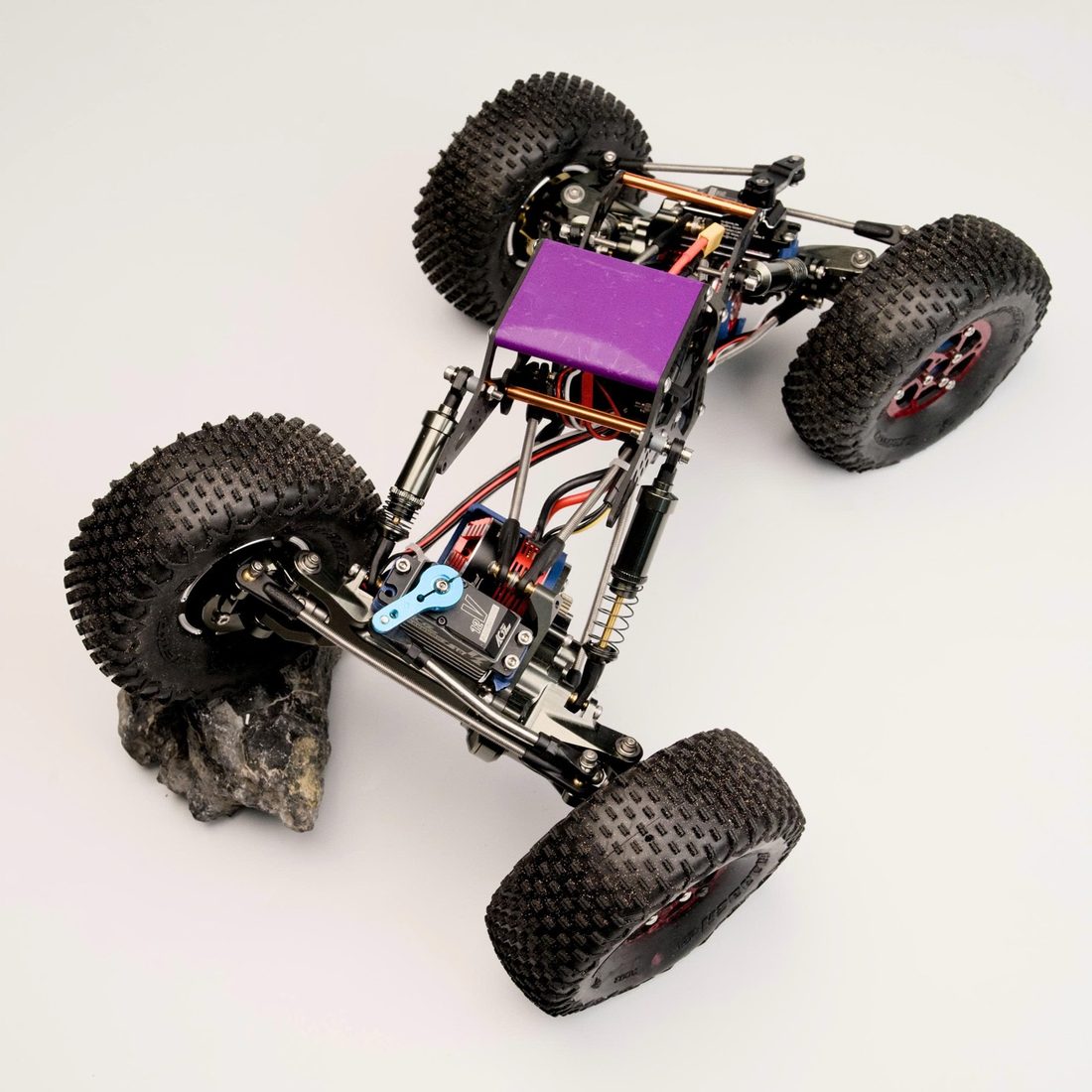
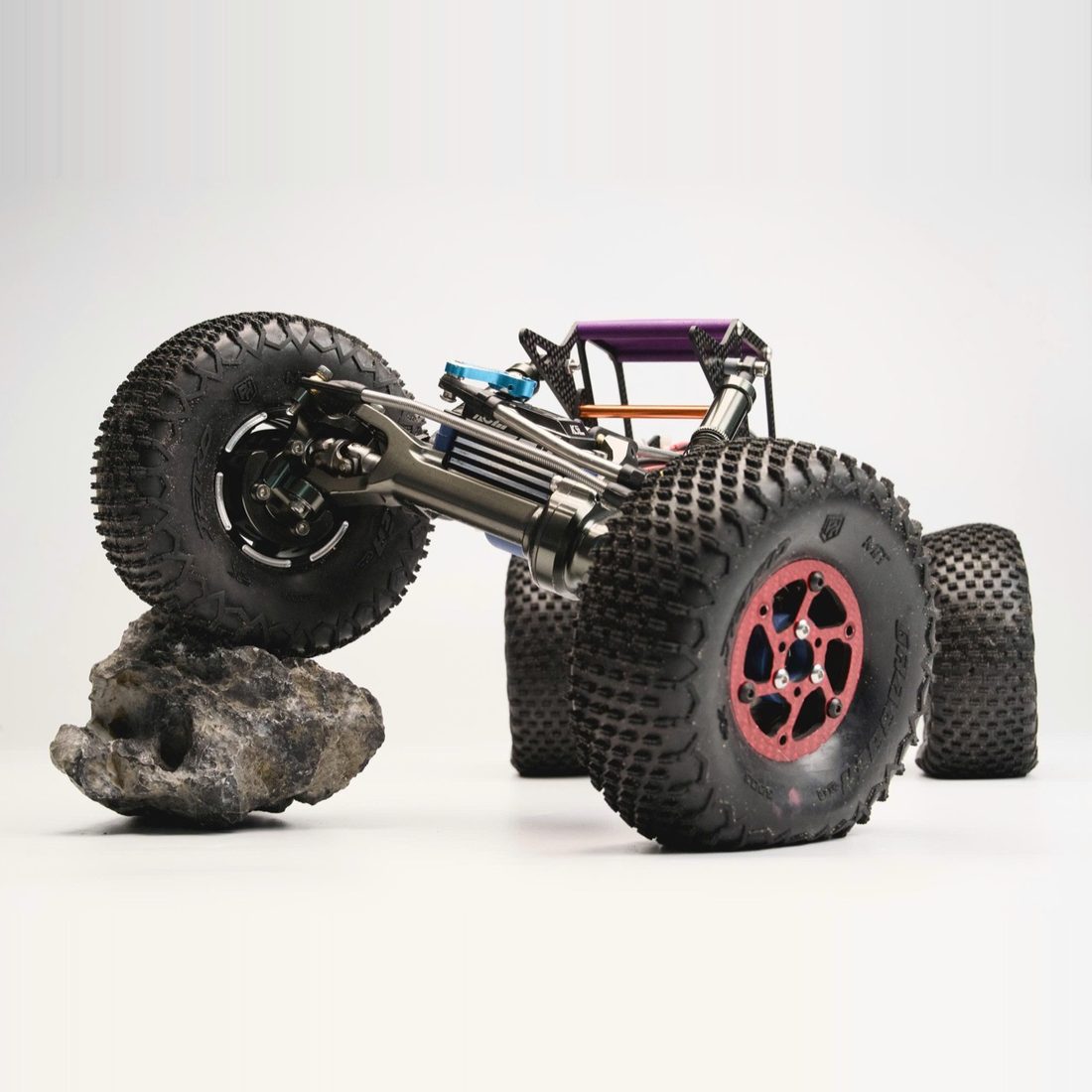
A competition crawler small enough to walk in on your back and stubborn enough to finish the line once you get there.

Steering
60°+, front and rear
Drivetrain
MOA · 4WS
Portals
Highest gearing on the market
Chassis
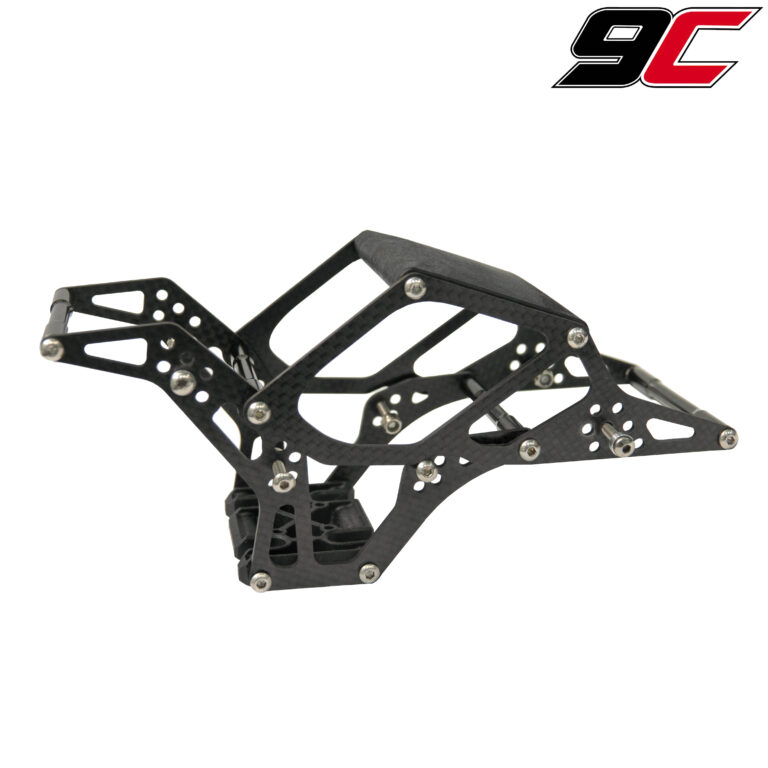
Carbon fibre
Shocks
85 mm high-performance
Motors
380 · 36 mm (2-in-1)
Full specification

Recommended electronics and accessories.

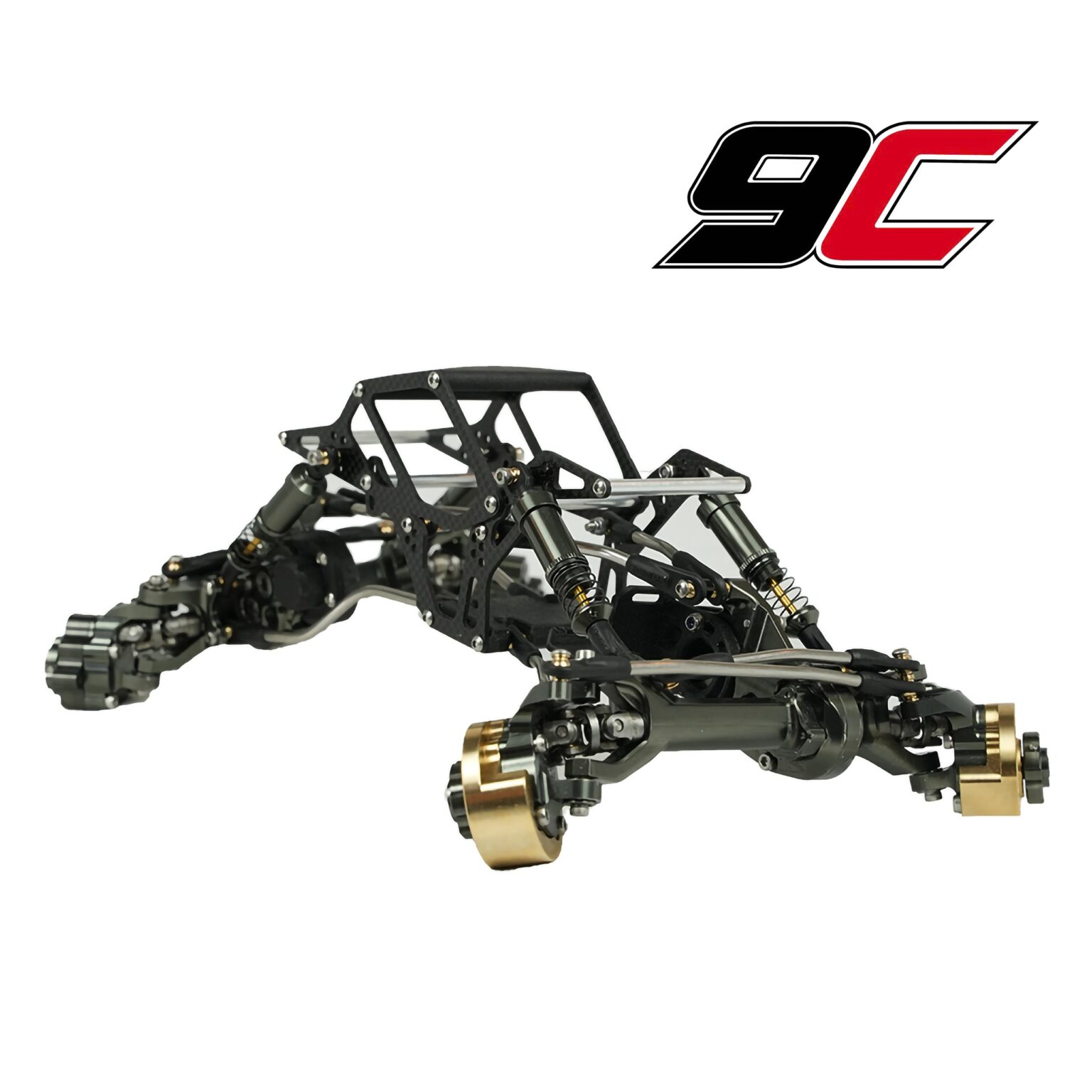
Monty ships as a complete rolling chassis — chassis, axles, shocks, electronics mounts and hardware — but without the parts below. You choose and supply them yourself, so you can build Monty exactly the way you want and reuse gear you may already own. Every option in this guide is verified to work together.

  • Radio system (transmitter + receiver)
  • Drive motors (front + rear) and ESC(s), or 2-in-1 units
  • Steering servos + servo horns
  • Wheels and tires
01

Radio System (TX/RX)

4+ channels with front/rear throttle mixing

Monty uses independent front and rear motors (MOA) plus 4-wheel steering (4WS), so your radio system needs enough channels and mixing capability to drive it properly.

ChannelFunction
CH1Front steering
CH2Front ESC
CH3Rear ESC
CH4Rear steering
  • Minimum 4 channels, mapped as in the table above.
  • Receiver: must output at least 4 independent channels.
  • Transmitter: must support curve-based channel mixing (e.g. EdgeTX or equivalent) so a single pot or switch can blend front/rear throttle across the full Dig → 4WD → Burn range. The Sanwa/Airtronics MT-4 is a good option with MOA mixing built in, or an EdgeTX stick radio like the Radiomaster Pocket.
  • 4WS can run independently on CH4 or be mixed with steering, depending on your preference and your transmitter's mixing options.
02

Motors & ESCs

Two drive units, one per axle — 48DP pinions

Monty is a true MOA (motor-on-axle) platform with independent motors front and rear. You need 2 complete drive units — one per axle (2 motors + 2 ESCs, or 2 matching 2-in-1 units). It is built around modern compact brushless motors rather than legacy 540-style motors; the same combo is normally used on both axles.

All pinions are 48 DP (diametral pitch) — confirm your pinion and gear mesh use matching 48DP hardware. A few known-good combos (not an exhaustive list):

#MotorESC / 2-in-1Pinion range (48DP)Notes
1Furitek Unity 1800Built-in 2-in-117T – 22T (minimum 17T)Compact 2-in-1, no separate ESC needed
2Furitek Unity 2300Built-in 2-in-117T – 22T (minimum 17T)Compact 2-in-1, no separate ESC needed
3Dlux StumpySmall brushless ESC15T – 22TPairs with any small-form-factor brushless ESC
4Furitek Dynamik 380Furitek Python X15T – 22T—
5Furitek Dynamik 3800Furitek Python UTB1815T – 22T—
6Hobbywing Mini16 (2-in-1)Built-in 2-in-113T (fixed)Requires a 3D-printed adapter — STL provided free by 9C RC. Must use the special Axial Capra UTB18-style 13T pinion
7Generic 36 mm outrunnerAny matching brushless ESC18T – 22T (minimum 18T)Covers common generic/off-brand 36 mm-diameter outrunner motors

Rule of thumb Confirm the pinion you buy is 48DP and falls inside the range listed for your motor before ordering — pinions outside these ranges either won't fit the gear mesh correctly or won't clear the axle housing.

Important After mounting each pinion, check that the in-axle transmission still spins freely by hand. A mismatched or misaligned pinion can bind the gear mesh and damage the transmission.

Motor guards Most of these motors are open-can outrunners (exposed bells and magnets), so a motor guard is a good idea against rock strikes and debris. 9C RC also provides a free, 3D-printable front skid plate STL that can be used instead of a classic motor guard.

03

Steering Servo & Servo Horn

Two low-profile servos, 40 kg·cm+, 25 mm horn

Monty accepts standard low-profile servos — no special servo required. You need 2 low-profile servos — one per axle (front steering + rear steering) to run 4WS.

Recommended minimum torque: at least ~40 kg·cm. These examples are all at or above that baseline:

  • JX B40
  • Reefs 800LP
  • AGFRC A66FHLW
  • NSDRC RS650 High Torque Low Profile (46–80 kg·cm depending on voltage)

Servo horn A 25 mm servo horn is recommended for correct steering throw.

Powering the servos (BEC = Battery Eliminator Circuit, which regulates power to the servo) — choose one of:

  • Split BEC — use the front ESC's BEC for the front servo and the rear ESC's BEC for the rear servo.
  • A single external BEC rated at least 10A.
  • Direct power — servo wired straight to the battery/ESC power rail, bypassing a BEC. For example the NSDRC RS700 V2 High Torque Low Profile Brushless Servo (46–80 kg·cm, 8.4–16.8V direct-power range, not routed through a BEC).

Safety note Never plug both ESCs' BEC positive (red) wire into the receiver at the same time — two BECs feeding the same rail can fight each other and damage the ESCs or receiver.

04

Battery

GNB 380mAh 3S, one XT30 plug for both ESCs

Recommended: GNB 380mAh 3S LiPo (20 × 17 × 55 mm, ~32 g — compact "shorty" format).

Connecting one battery to two ESCs: Monty's front and rear drive units each have their own ESC, but there is only one battery — so both ESC power leads need to be joined into a single battery connector. We recommend standardising on XT30 plugs throughout (battery, ESCs and harness) to keep this simple. You have two options:

  1. Buy a ready-made Y-harness (parallel connector) matching your connector type (XT30 recommended). Plug each ESC into one side; the single end goes to the battery. The easiest option for first-time builders — no soldering required.
  2. Solder your own Y-harness — if you can't find a pre-made one for your connector type, splice both ESC power leads together into a single battery connector. Make sure + goes to + and – goes to – on both sides, and insulate the joints with heat-shrink or electrical tape.

Either way, the result is the same: one battery plug feeding both ESCs in parallel.

05

Wheels & Tires

1.9" or 2.2" VP 6-screw, 4.19"–4.75" tires

Wheel fitment rule: any 1.9" or 2.2" wheel using the VP 6-screw (6-lug) bolt pattern will bolt on — you are not locked into one brand.

  • Best choice: high-clearance, comp-style wheels.
  • Best choice: narrow-offset rims make the most sense on Monty's width.
  • Example: Dlux 1.9" and 2.2" rims fit well — many other generic 1.9"/2.2" VP-pattern wheels also work.
  • Tuning tip: heavier wheels up front and lighter ones in the rear is a useful weight-distribution trick for better front traction when climbing.

Tire size range: 4.19" to 4.75" diameter, in both 1.9" and 2.2" fitments. A few examples known to work well — not an exhaustive list; any tire in this range should fit:

TireSizeFits
Reefs Scrubs4.75"1.9"
RC4WD Baja MTZ Narrow4.6"2.2"
RC4WD Bully4.19" (small option)1.9"
INJORA XHX Pin Tires4.75"1.9"
JConcepts Ruptures4.75"1.9" and 2.2"
06

Quick Shopping Checklist

Everything to order before your Monty arrives

Everything you need to add to the slider, in one list. The other five cards explain each part in detail.

  • Radio system — 4 channels minimum, EdgeTX or equivalent mixing support
  • Drive units ×2 (1 per axle) — motor + ESC, or 2-in-1
  • Pinions ×2 — 48DP, within the correct range for your motor
  • Steering servos ×2 (1 per axle) — low-profile, at least ~40 kg·cm
  • 25 mm servo horns ×2
  • BEC — split, external 10A, or a direct-power setup
  • Battery — GNB 380mAh 3S (or equivalent)
  • Power harness (Y-splitter) to feed both drive units from one battery
  • Wheels ×4 — 1.9" or 2.2", VP 6-screw pattern
  • Tires ×4 — 4.19"–4.75", matched to wheel size

Compatibility guide v0.3 · Not sure about a part? sales@9crc.com

Spare parts for Monty.

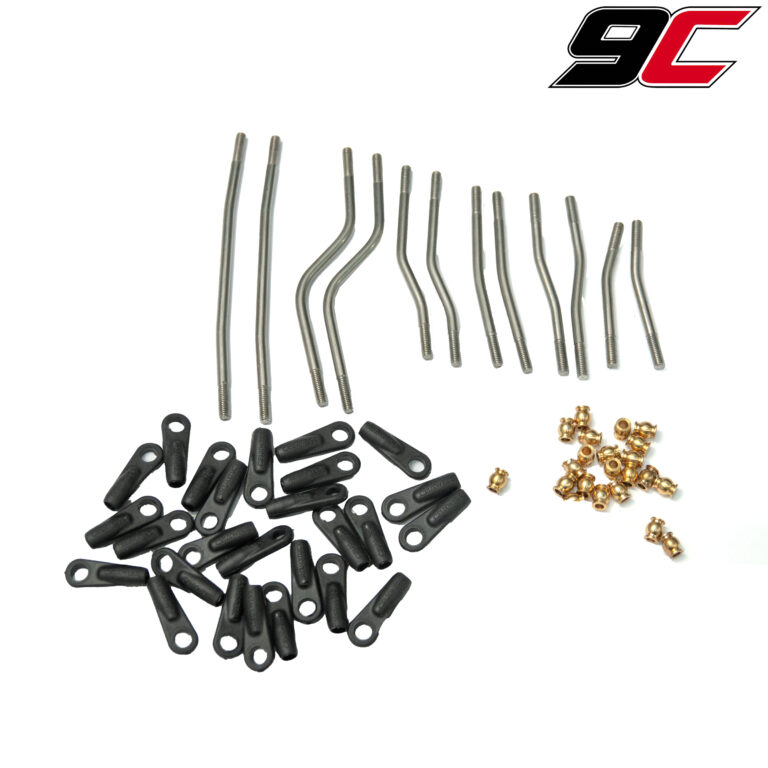
Every part on Monty is sold on its own — keep a spare in the bag, repair on the trail, or upgrade when you are ready.

All Monty parts (20)

Carried in. Driven out.

Monty is a competition crawler small enough to walk in on your back and stubborn enough to finish the line once you get there.

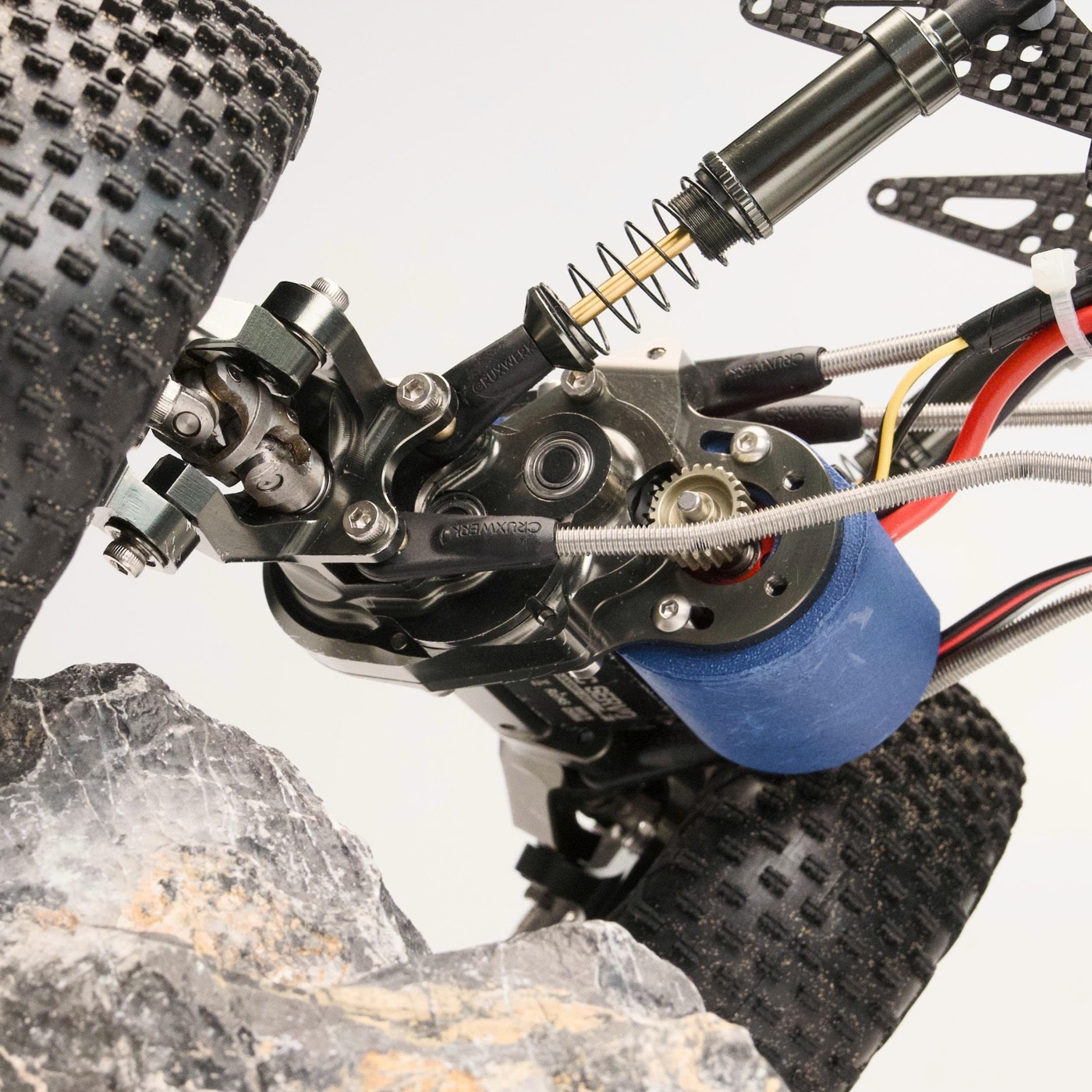
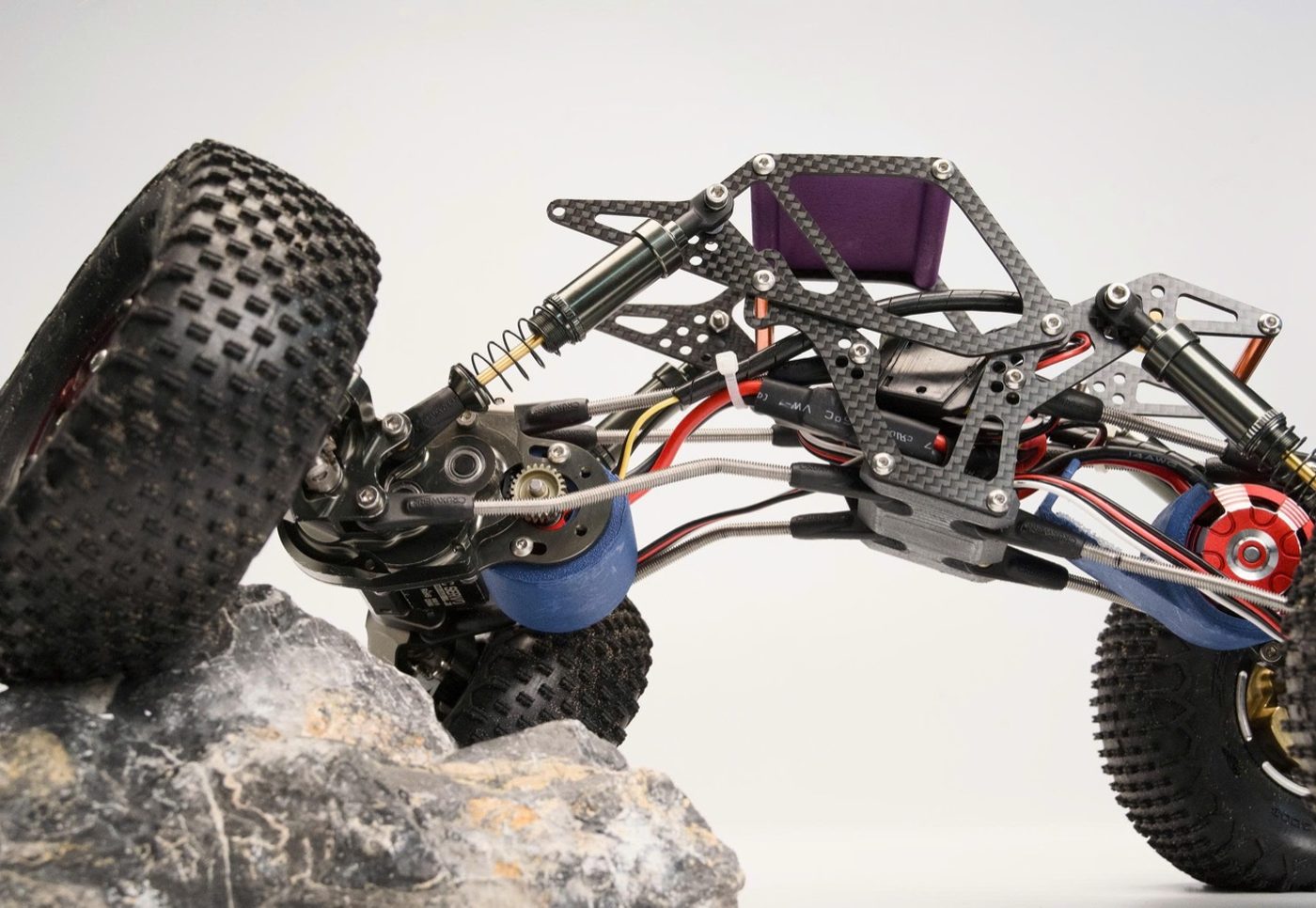
Motor on axle at both ends, four-wheel steering, portal reduction and a carbon chassis — every choice made to keep the contact patch loaded and the drivetrain calm.

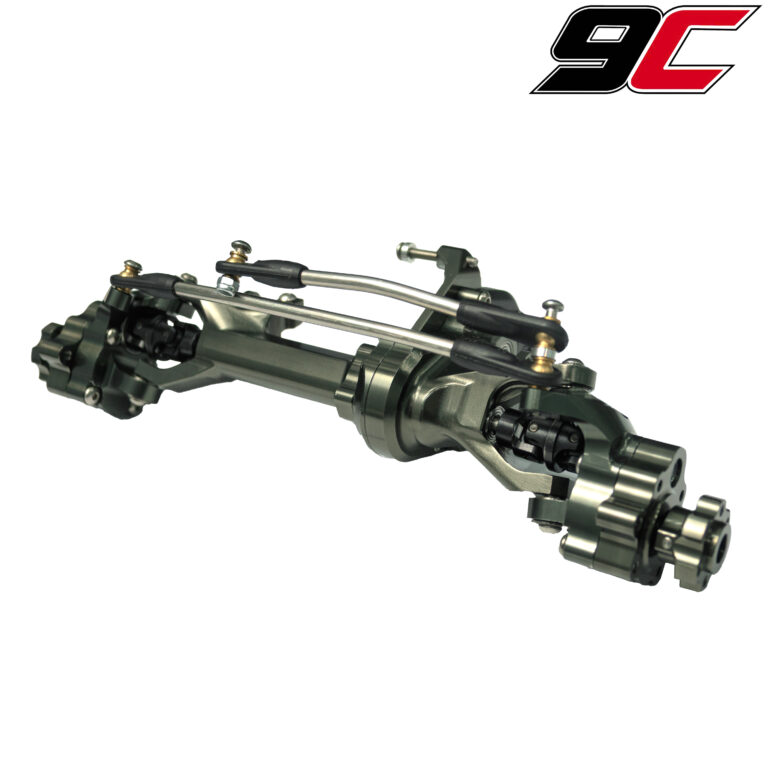
The portal axle

Every spec, deliberate.

01
Steering
60°+ lock, front and rear
02
4WS
Four-wheel steering, independently driven
03
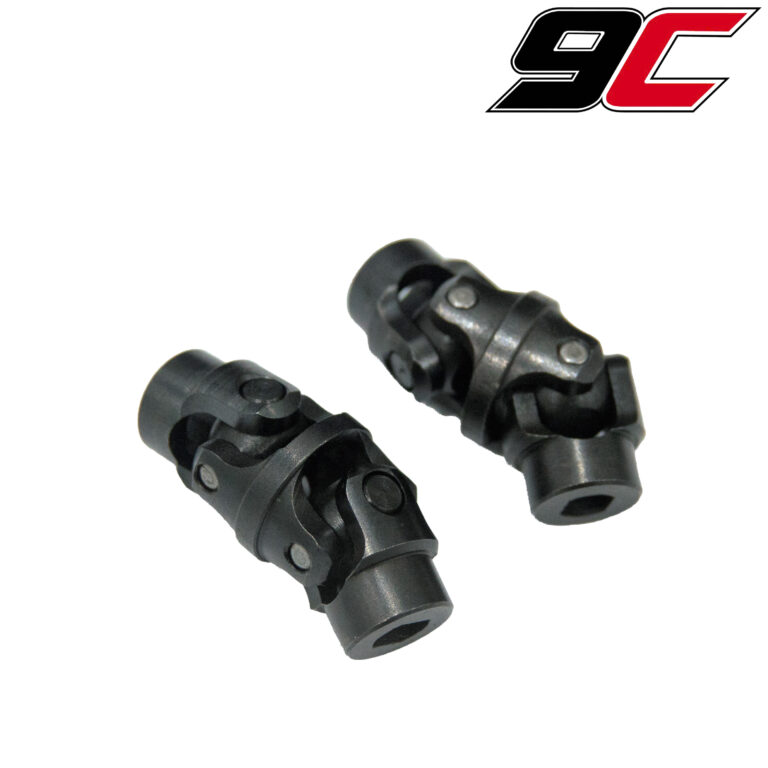
Driveshafts
Double-joint cardans for smooth steering
04
Portals
Highest gearing on the market
05
Drivetrain
MOA — motor on axle, front and rear
06
Chassis geometry
Optimised for balance and weight transfer
07
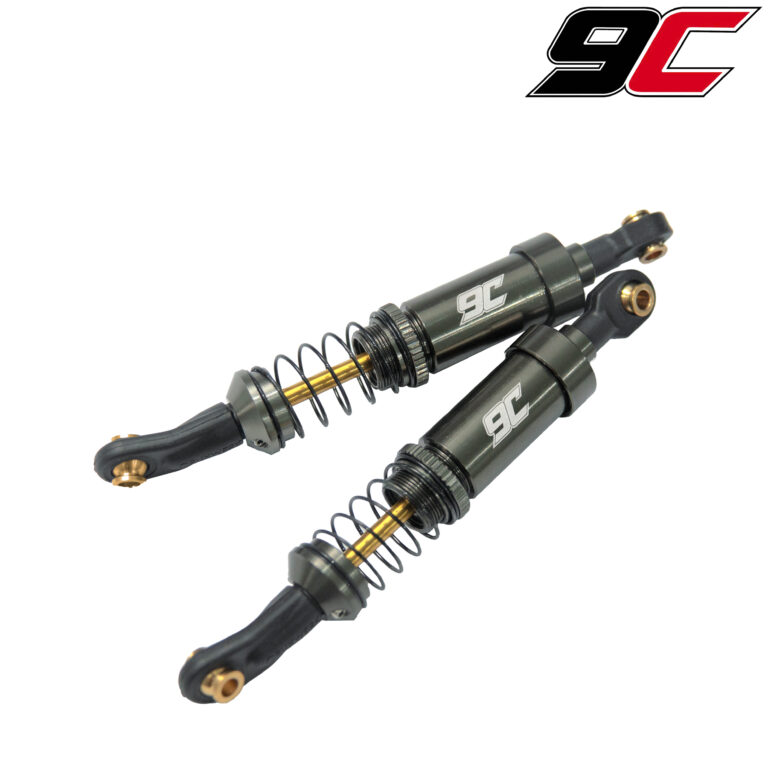
Shocks
85 mm high-performance
08
Chassis material
Carbon fibre
09
Axles
Anodised, industrial-grade ENAW alloy
10
Motors
Fits 380 and 36 mm motors — 2-in-1 unity
11
Wheels
Prepared for Rockmagnet wheels
12
Options
Motor cover outrunners · low-profile servos

Built around four core technologies.

01
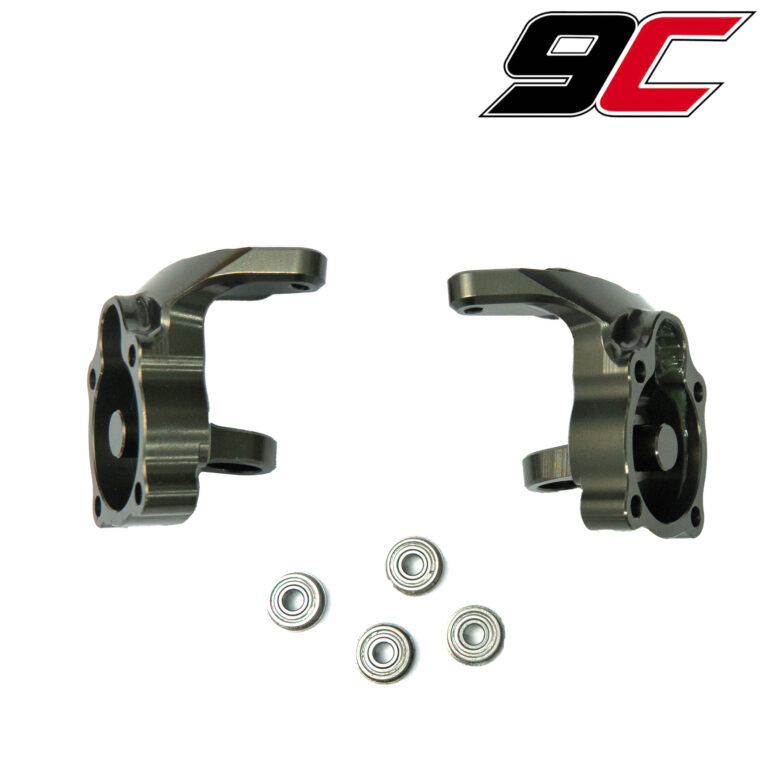
9C steering knuckle at full lock

60°+ Steering

Go where others can't. Lock angles well past what a conventional axle allows, so the line you pick is the line you take.

02
9C double-joint CV driveshaft and hub

True Double-Joint CV Driveshafts

Smooth power at extreme steering angles. No binding, no pulsing — torque stays even through the whole sweep.

03
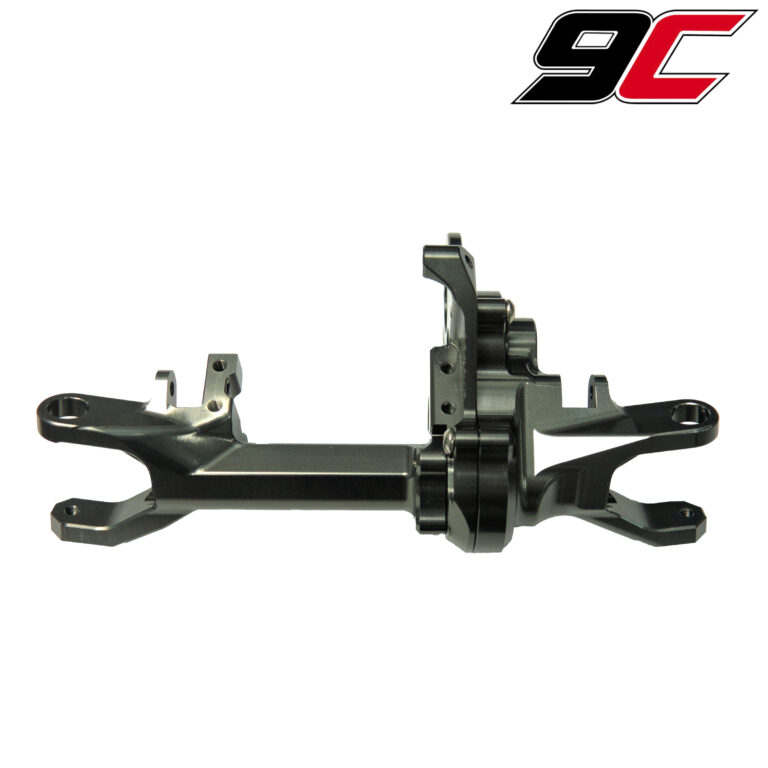
9C integrated servo mount

Integrated Servo Mount

Precision steering with maximum rigidity. The servo becomes part of the axle structure instead of hanging off it.

04
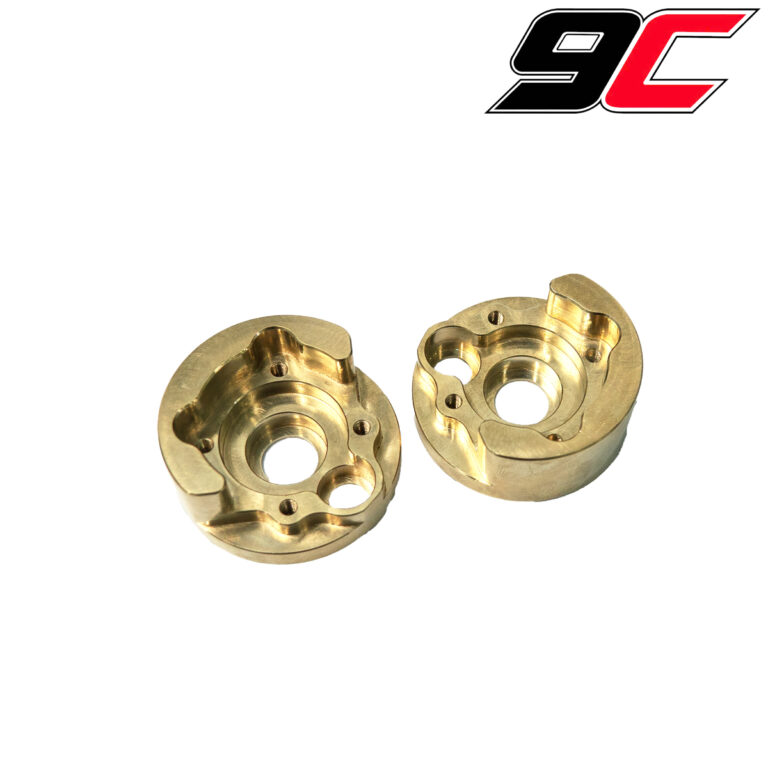
9C portal axle reduction housing

Optimized Portal Reduction

Higher clearance, greater wheel torque and reduced drivetrain load — the three things a competition crawler cannot trade away.

A 9C crawler strapped to a hiking backpack on the walk in
Backpack crawler / the walk in

Straps on. Walks in.

The best rock never sits next to a car park. Monty is built to travel on your back — over the pass, down the scree, into the line nobody else bothers to reach.

Take it anywhere. Crawl everything.

Born on Krippenstein.

High up in the Austrian Alps, we were out on a crawling expedition — each of us hauling three to four cars up the mountain. Batteries, transmitters, gear, the whole load on our backs.

By the end of the day, legs burning and packs digging in, one thing was obvious: a single portable MOA would have made the whole hike so much easier.

Reaching those hard-to-get-to rocks — the lines tucked away where few people bother to go — is one of the most amazing experiences there is. We just wanted to make getting there a little easier.

Krippenstein / Austrian Alps

A 9C crawler strapped to a hiking pack on the Krippenstein plateau in the Austrian Alps
Krippenstein / where the idea started

Ships Nov 10 2026

Pre-order now.